
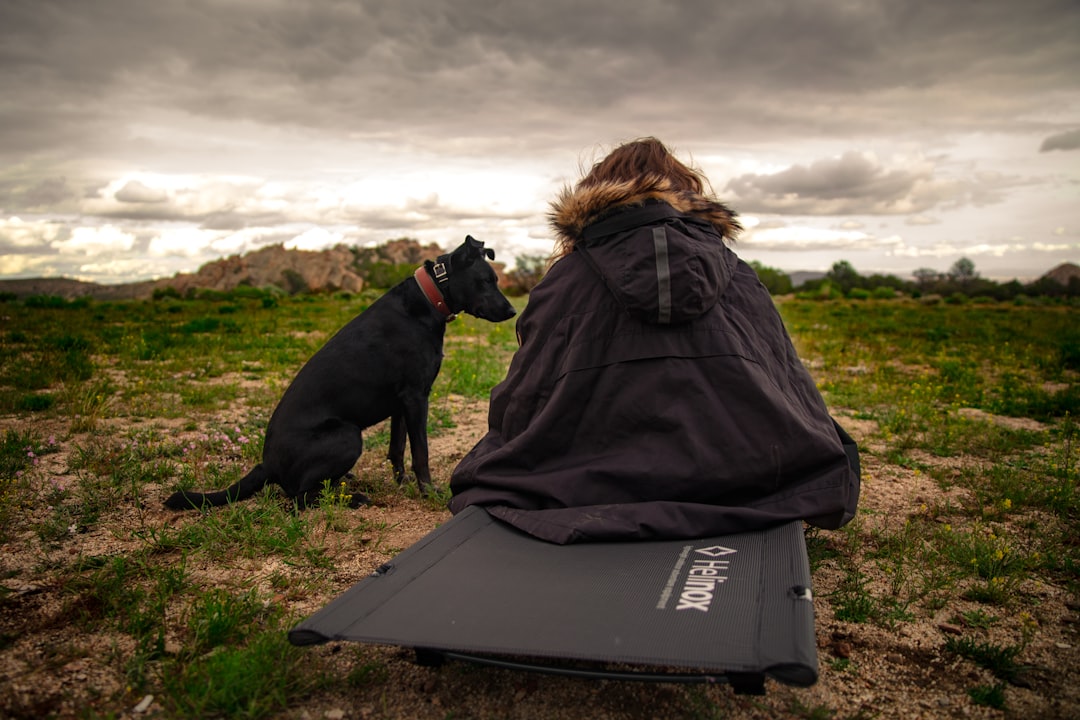
Outdoor trips are a great way to explore nature, enjoy fresh air, and take a break from everyday routines. Whether you’re camping in the mountains, hiking through forests, or spending a weekend at a campsite, having the right equipment can make your experience much more enjoyable.
Among all camping essentials, a quality sleeping bag is one of the most important. It provides warmth, comfort, and protection while helping you get the rest you need for another day of adventure.
1. Keeps You Warm at Night
Temperatures can drop significantly after sunset, even during seasons that feel warm during the day. A quality sleeping bag is designed to provide insulation and help retain your body heat.
Choosing a sleeping bag with an appropriate temperature rating can help you stay comfortable throughout the night and avoid unnecessary exposure to cold conditions.
2. Improves Sleeping Comfort
A comfortable night’s sleep is important when you’re spending long days outdoors. A well-designed sleeping bag provides a cozy space where you can relax after hiking, exploring, or participating in other outdoor activities.
Features such as soft lining, suitable dimensions, and ergonomic designs can make a significant difference in overall comfort.
3. Provides Protection From Outdoor Conditions
Outdoor environments can be unpredictable. Moisture, wind, and changing temperatures can affect your comfort while camping.
Many quality sleeping bags use durable and water-resistant materials that provide additional protection against damp conditions. While a sleeping bag isn’t a substitute for proper shelter, it can be an important part of your overall camping setup.
4. Offers Better Insulation
Quality sleeping bags are designed with effective insulation to reduce heat loss. Depending on the design, they may use down or synthetic insulation.
Good insulation provides warmth without necessarily adding excessive weight, which is especially useful for hikers and backpackers who need to carry their equipment over long distances.
5. Supports Better Recovery
Outdoor activities can be physically demanding. Hiking, climbing, cycling, and exploring can leave you tired at the end of the day.
A comfortable sleeping environment gives your body an opportunity to rest and recover. A quality sleeping bag can contribute to a better night’s sleep, helping you feel more prepared for the next day’s activities.
6. Built for Durability
Camping equipment can experience plenty of wear and tear. Sleeping bags may be packed, unpacked, moved across different surfaces, and exposed to outdoor conditions.
A quality sleeping bag typically uses durable materials and reliable construction that can withstand regular use. Investing in a well-made product can be more practical than repeatedly replacing lower-quality equipment.
7. Lightweight Options for Backpacking
For backpackers, every item in a pack matters. A heavy sleeping bag can make long hikes more tiring.
Many quality sleeping bags are designed to provide a good balance between warmth and weight. Compact designs also make them easier to pack alongside other essential gear.
8. Useful for Different Seasons
Quality sleeping bags are available for a variety of weather conditions. Lightweight options can be suitable for warm summer nights, while insulated models are designed for colder environments.
Choosing a sleeping bag according to the season and expected temperatures ensures that you have the right level of warmth for your trip.
9. Convenient to Carry and Store
Modern sleeping bags are designed with portability in mind. Many can be compressed into a compact carrying sack, making them easier to transport.
This is particularly useful when you’re traveling by backpack, vehicle, or other forms of outdoor transportation.
10. A Reliable Part of Your Camping Gear
Outdoor trips require preparation, and reliable equipment can reduce unnecessary problems. A quality sleeping bag is one item you can depend on when it’s time to rest.
Combined with a suitable tent, sleeping pad, and appropriate clothing, it can help create a more comfortable and practical sleeping setup.
How to Choose a Quality Sleeping Bag
Before purchasing a sleeping bag, consider:
- Temperature rating: Choose one suitable for the conditions you’ll encounter.
- Insulation: Compare down and synthetic options based on your needs.
- Weight: Consider lightweight designs for hiking and backpacking.
- Size: Make sure the bag provides enough room for comfortable sleeping.
- Materials: Look for durable fabrics and quality construction.
- Packability: Check how easily it can be compressed and transported.
- Weather resistance: Consider water-resistant materials if you’ll be camping in damp environments.
Final Thoughts
A sleeping bag is more than just a place to sleep during an outdoor trip. It plays an important role in keeping you warm, comfortable, and protected while helping you get the rest needed to enjoy your adventure.
Investing in a quality sleeping bag can improve your camping experience and provide reliable performance across many trips. By considering temperature ratings, insulation, durability, weight, size, and weather resistance, you can choose a sleeping bag that fits your outdoor lifestyle and keeps you comfortable wherever your adventures take you.


