
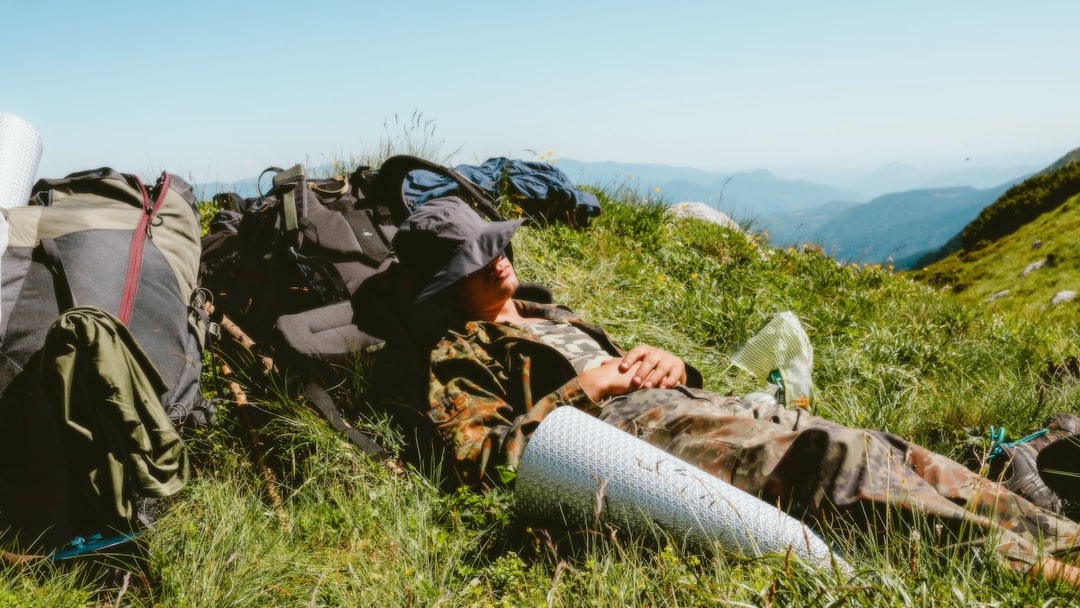
A good sleeping bag can make your outdoor adventures much more comfortable. Whether you are planning a weekend camping trip, a hiking adventure, a backpacking journey, or simply spending a night outdoors, choosing the right sleeping bag is essential.
With different shapes, materials, insulation types, and temperature ratings available, it can be difficult to know which sleeping bag is right for you. Here are some practical buying tips to help you make the right choice.
1. Consider the Temperature Rating
The temperature rating should be one of the first things you check when buying a sleeping bag. It indicates the conditions the bag is designed to handle.
If you mainly camp during warm weather, a lightweight sleeping bag with a higher temperature rating may be suitable. For cold-weather camping, look for a bag designed for lower temperatures.
Always consider the expected nighttime temperature rather than the daytime forecast when choosing your sleeping bag.
2. Choose the Right Insulation
Sleeping bags typically use down or synthetic insulation.
Down is lightweight, highly compressible, and provides excellent warmth for its weight. It is a popular choice for backpacking and cold-weather adventures.
Synthetic insulation is generally more affordable and performs well in damp conditions. It can also be easier to clean and maintain.
Think about your typical camping environment and budget before choosing between the two.
3. Pick a Suitable Shape
Sleeping bags come in several shapes, including mummy, rectangular, and semi-rectangular designs.
Mummy bags have a snug fit and help retain body heat, making them suitable for colder conditions.
Rectangular bags provide more room to move and are often preferred for casual camping and warmer weather.
Semi-rectangular bags offer a balance between comfort and warmth.
Choose a shape based on how much space you like while sleeping and the conditions in which you plan to camp.
4. Check the Weight
Weight becomes especially important when you are hiking or backpacking. A heavy sleeping bag can add unnecessary weight to your pack.
If you regularly travel on foot, look for a lightweight option that still provides the warmth you need. For car camping, weight may be less important, allowing you to prioritize comfort and space instead.
5. Pay Attention to Pack Size
A sleeping bag should be easy to transport and store. Check its packed dimensions before purchasing, especially if you have limited backpack space.
A compressible sleeping bag can leave more room for other essential gear. However, avoid choosing a bag based only on its packed size—warmth and comfort should remain priorities.
6. Look for Quality Materials
The outer material should be durable enough for outdoor use. A strong fabric can help protect the sleeping bag from regular wear, while a water-resistant outer layer can provide extra protection from moisture.
Also consider the quality of the lining and insulation. Good materials can improve comfort and extend the useful life of your sleeping bag.
7. Check the Zipper
A reliable zipper makes getting into and out of your sleeping bag much easier. Look for a zipper that operates smoothly and is designed to minimize snagging.
Full-length zippers can also provide useful ventilation when temperatures rise. Some sleeping bags can even be zipped together with compatible models.
8. Consider Hood and Draft Protection
If you plan to camp in colder weather, features such as an insulated hood, draft collar, and zipper draft tube can make a noticeable difference.
These features help reduce heat loss and provide additional protection against cold air.
9. Get the Right Size
Your sleeping bag should fit your body without being excessively loose or restrictive.
A bag that is too large can have unnecessary empty space that takes longer to warm. A bag that is too small may feel uncomfortable and restrict movement.
Always check the manufacturer’s size recommendations before buying.
10. Think About Your Camping Style
The best sleeping bag depends on how you plan to use it.
For backpacking, prioritize low weight, compact size, and efficient insulation.
For family or car camping, comfort and roominess may be more important.
For cold-weather adventures, focus on temperature rating, insulation, hood design, and draft protection.
For summer camping, choose a lightweight and breathable option that won’t feel excessively warm.
11. Consider Your Budget
Sleeping bags are available at a wide range of prices. While it can be tempting to choose the cheapest option, consider the features and durability you need.
A higher-quality sleeping bag may cost more initially but can provide better comfort, insulation, and longevity. Choose a product that offers the right balance between performance and price.
12. Think About Maintenance
Before purchasing, check the manufacturer’s cleaning and storage instructions. Proper care can help preserve the insulation and extend the life of your sleeping bag.
When possible, allow the bag to air out after use and avoid storing it compressed for long periods. Following the recommended care instructions can help maintain its performance.
Final Thoughts
Buying the right sleeping bag doesn’t have to be complicated. Start by considering the temperatures and environments where you will use it, then compare insulation, shape, weight, packability, materials, size, and useful features.
The right sleeping bag should provide the warmth and comfort you need without adding unnecessary weight or bulk to your gear. Take time to compare your options, and you’ll be better prepared for comfortable nights under the stars.


